
Buying guide
Hyundai Tucson vs. Toyota RAV4 in Canada: Which Should You Buy?
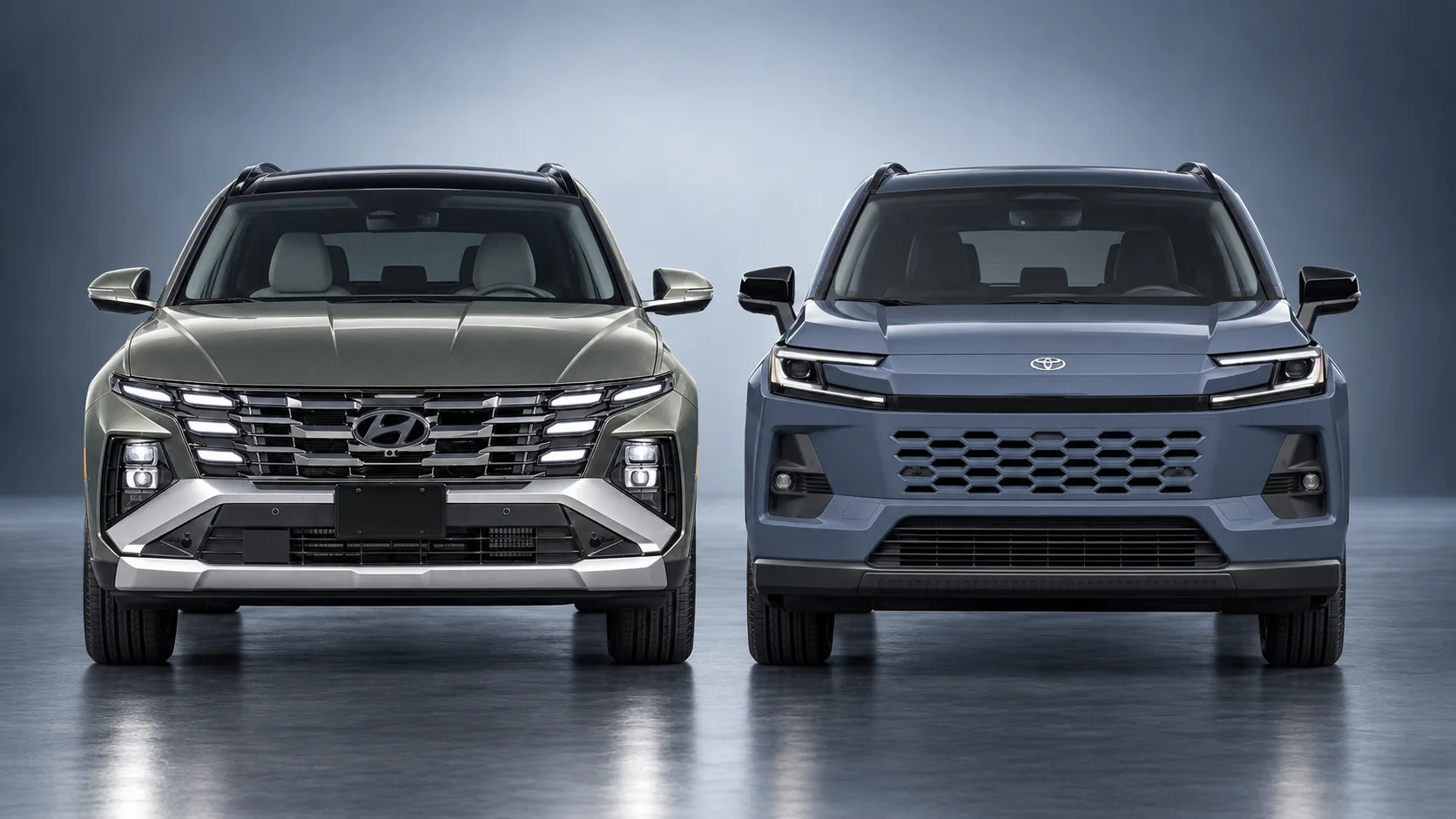
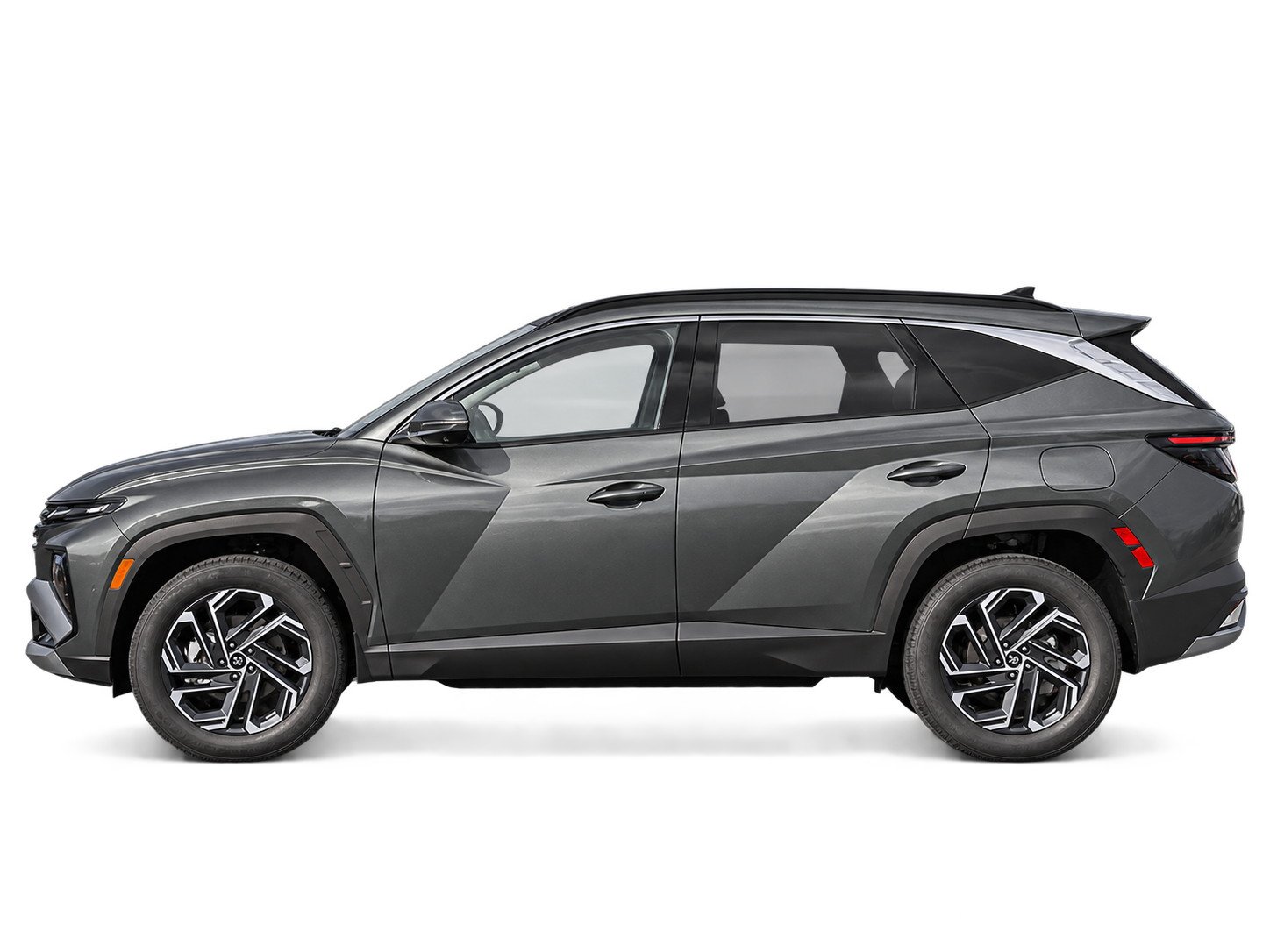
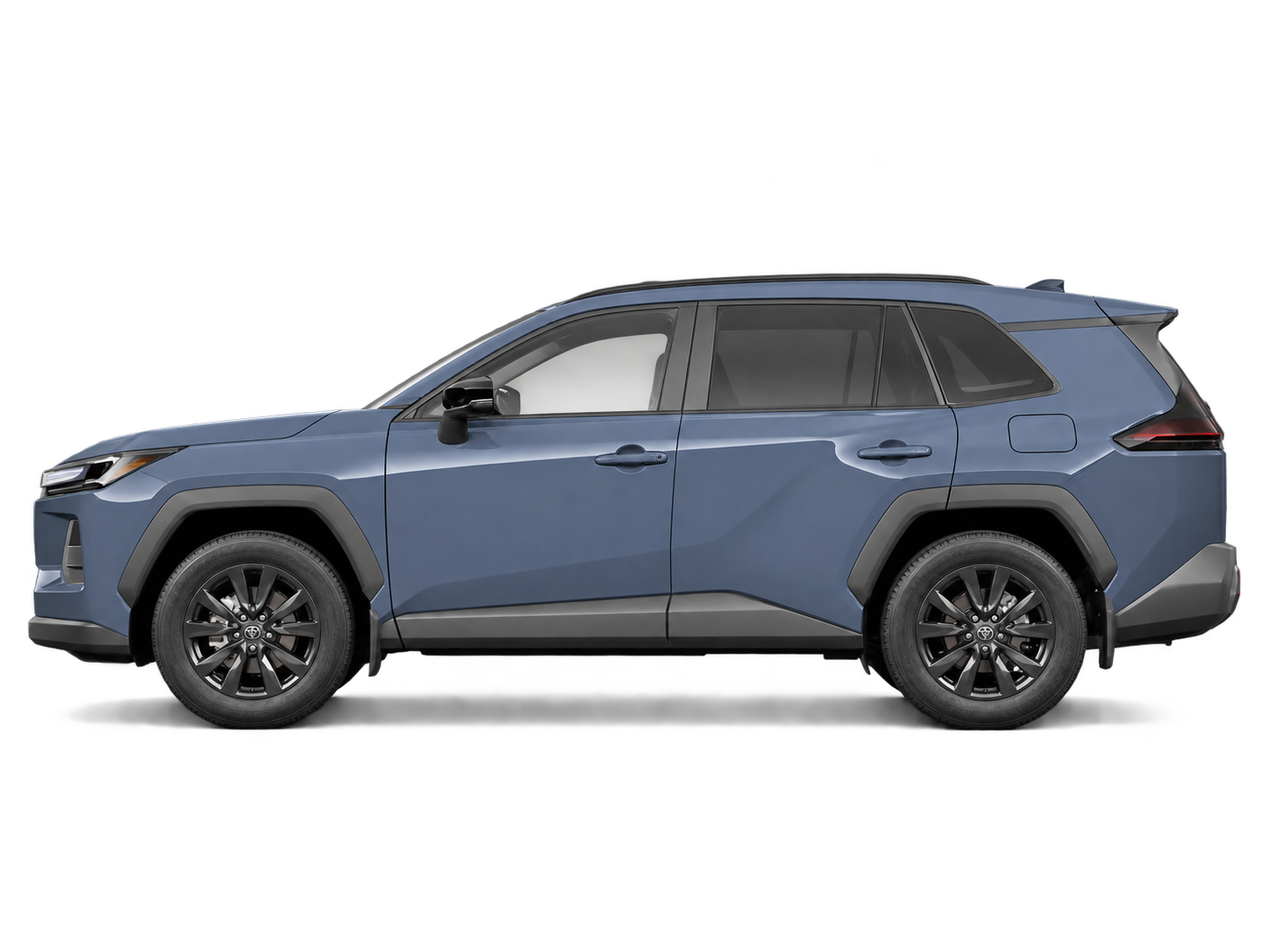
Not to scale
Start with the versions that fit your shortlist
The Tucson deserves a close look if you want a gasoline option, particular cabin features or longer general warranty coverage. The RAV4 Hybrid deserves a close look if fuel use or a higher hybrid towing limit is central to your choice. Your quoted price, selected trim and everyday fit decide which advantage matters most.
This comparison covers 2026 Canadian models, using manufacturer specifications checked on September 28, 2026. Toyota’s 2026 Canadian RAV4 range is fully hybrid. Hyundai offers gasoline, hybrid and plug-in hybrid Tucson versions.
For a direct powertrain comparison, start with Tucson Hybrid versus RAV4 Hybrid. If your budget also brings a gasoline Tucson into contention, compare that actual quote separately. Plug-in hybrids need a charging-cost comparison of their own.
| Your priority | Where to start |
|---|---|
| A conventional gasoline SUV | Tucson Preferred or Preferred with Trend Package |
| Lower published hybrid fuel consumption | RAV4 Hybrid; check the exact trim and rating status below |
| Longer general new-vehicle coverage | Tucson; separate this from battery coverage |
| A hybrid with a towing maximum above 2,000 lb | RAV4 Hybrid trims above LE, subject to the vehicle’s towing requirements |
| Family space and easy loading | Try your passengers and cargo in both |
| Best value at your budget | Compare two itemized quotes with your must-have equipment |
Powertrains at a glance
| 2026 Canadian configuration | Engine and power | Transmission and drive |
|---|---|---|
| Tucson Preferred / Preferred with Trend Package | 2.5-litre gasoline, 187 hp | Eight-speed automatic, AWD |
| Tucson N Line Hybrid / Ultimate Hybrid | 1.6-litre turbo hybrid, 231 hp | Six-speed automatic, AWD |
| RAV4 Hybrid | 2.5-litre hybrid, 236 net system hp | Electronically controlled CVT, AWD |
Sources: Hyundai’s 2026 product card, pages 2–5 and Toyota’s 2026 RAV4 Hybrid product information, page 1.
The hybrids’ published power figures are close. Use a test drive to compare acceleration, engine sound and how each transmission responds on your usual roads. Horsepower alone will not tell you which feels better to drive.
What the fuel difference means in dollars
Hyundai identifies 6.7 L/100 km combined as an NRCan rating for the 2026 Tucson Hybrid in its Canadian showroom legal notes.
Toyota’s 2026 product-information sheet labels its combined figures manufacturer-estimated:
| RAV4 Hybrid AWD trim | Estimated combined consumption |
|---|---|
| LE | 5.5 L/100 km |
| XLE | 5.7 L/100 km |
| XSE / Limited | 5.8 L/100 km |
| Woodland | 6.2 L/100 km |
These published figures favour the RAV4 for fuel use. They have different evidence labels: Hyundai cites an NRCan rating, while the Toyota sheet uses manufacturer estimates. Confirm the final Canadian ratings for the exact versions before making fuel cost the deciding factor.
A useful fuel-cost yardstick
At a hypothetical 20,000 km a year and $1.60 per litre, each 0.1 L/100 km difference changes the annual fuel bill by $32.
Using the published Tucson Hybrid figure of 6.7 and the RAV4 XLE estimate of 5.7 as provisional inputs:
| Calculation | Tucson Hybrid | RAV4 XLE Hybrid |
|---|---|---|
| Fuel used over 20,000 km | 1,340 L | 1,140 L |
| Annual fuel cost at $1.60/L | $2,144 | $1,824 |
That is $320 a year, or $1,600 over five years, in the RAV4’s favour if those inputs hold. It is a fuel-cost illustration, with hypothetical distance and pump price, rather than a final matched-trim ownership-cost result.
Put that $1,600 beside the difference between your five-year purchase and running costs. A higher purchase price or extra interest could absorb the fuel saving; a lower purchase price would add to it. At 10,000 km a year, the illustrated annual fuel difference falls to $160. At 30,000 km, it rises to $480.
If the bigger decision is whether to pay extra for a hybrid at all, use the worked examples in Hybrid vs. Gas in Canada.
Compare equipment at the price you can pay
Build your shortlist around three or four features you will use often. Heated seats, a power liftgate, seat adjustment and parking cameras may matter more to you than a longer list of occasional extras.
Set your spending limit with the car affordability guide, then choose the trims that fit it.
On the Tucson, Preferred includes a heated steering wheel and 12.3-inch infotainment screen. The Trend Package adds a panoramic sunroof and power liftgate. N Line Hybrid adds equipment including heated rear seats; Ultimate Hybrid adds ventilated front seats and a surround-view monitor. These are the trim steps in Hyundai’s Canadian product card.
Toyota lists a 10.5-inch touchscreen on RAV4 LE and XLE. XSE moves to a 12.9-inch screen and includes ventilated front seats and a panoramic-view monitor. Check the selected trim and package in Toyota’s Canadian model overview.
Compare the quotes in two ways:
- Similar equipment: Choose versions with your required features and list the remaining differences.
- Same budget: See which version of each SUV fits your spending limit, then decide which equipment you would gain or give up.
Ask for the purchase total, taxes, charges, selected extras, quote expiry and payment basis for each vehicle. Keep trade value and any loan payoff visible separately. Use the payment calculator to compare loan amounts, rates and terms over the same period.
The Ontario taxes and fees guide helps you check those totals. If one quote is a lease, compare it with financing at the same end date.
Passenger room and cargo: do the same fit check
Both SUVs seat five. Hyundai lists Tucson length at 4,640–4,650 mm depending on trim. Toyota lists 4,600 mm for RAV4 Hybrid models other than Woodland, which is 4,620 mm. Those measurements put their overall length close; they do not tell you which seating position or cargo opening works better for your family. Sources: Hyundai’s Canadian FAQ and Toyota’s dimensions sheet, page 2.
Even one model can have more than one cargo figure. Toyota lists 1,070 L behind the RAV4’s second row with a solid roof or moonroof, and 1,036 L with a panoramic roof in its Canadian specification sheet, page 3.
Use the same practical check in both vehicles:
- Set the driver’s seat for the person who will normally drive.
- Have a regular passenger sit behind that position and check knee room, headroom and entry.
- Try your child seats, if needed, while preserving a usable front-seat position.
- Load your stroller, dog crate or regular luggage with the rear seats up.
- Check the opening, loading height and whether the liftgate closes with your cargo in place.
Record what fits and what needs rearranging. These are checks to perform on your shortlist; this article compares specifications and does not report a completed family or cargo test.
Take your notes and the dealership visit checklist to both appointments so you can repeat the same checks.
Warranty: compare the coverage categories
| Coverage | Hyundai Canada | Toyota Canada |
|---|---|---|
| General new-vehicle/basic limited warranty | 5 years / 100,000 km | 3 years / 60,000 km |
| Hybrid system / hybrid-related components | 8 years / 160,000 km | 8 years / 160,000 km |
Hyundai’s longer general coverage is a useful distinction if you plan to keep the SUV beyond three years. Toyota separately lists 10 years / 240,000 km for the RAV4 hybrid battery. Compare that category with the Tucson’s actual hybrid-battery terms, rather than using the general vehicle warranty as a battery comparison.
The time and kilometre limits are whichever comes first. Covered components and exclusions differ by category, and the in-service date matters when checking remaining coverage. Sources: Hyundai warranty summary, Toyota warranty terms and RAV4 product information, page 4.
Warranty, maintenance and reliability answer different questions. Use the warranty to understand covered repairs, the maintenance schedule to budget servicing, and vehicle-specific history when buying used. These manufacturer documents do not establish which 2026 SUV will have fewer failures or a higher resale value.
Towing changes the shortlist
The powertrain and trim make a substantial difference here:
| 2026 Canadian version | Manufacturer-listed towing maximum |
|---|---|
| Tucson 2.5-litre gasoline | Up to 3,500 lb |
| Tucson Hybrid | Up to 2,000 lb |
| RAV4 Hybrid LE | 1,750 lb / 794 kg |
| RAV4 Hybrid XLE, XSE, Limited and Woodland | 3,500 lb / 1,588 kg |
Sources: Hyundai’s towing FAQ and Toyota’s capacities table, page 3.
If your loaded trailer exceeds 2,000 lb and you want a conventional hybrid, the RAV4 trims above LE are the candidates to investigate from this table. For either SUV, check the exact vehicle’s manual, required towing equipment and trailer-brake requirements. Include passengers, cargo and tongue weight when checking its payload limit. The advertised maximum is the starting point for that match.
Which one should you shortlist?
Start with Tucson when the gasoline version fits your purchase plan, its equipment matches what you want, or the longer general warranty matters during your ownership period. Compare N Line Hybrid and Ultimate Hybrid when you want hybrid power with their particular feature combinations.
Start with RAV4 Hybrid when its published fuel advantage matters at your annual mileage, or you need the higher towing maximum offered above LE while keeping a hybrid powertrain. Choose the trim deliberately: the lowest fuel figure and the highest towing maximum belong to different versions.
Keep both on the list when passenger fit, driving feel or the quoted price is still undecided. Test the exact trims and ask each dealer to confirm availability and delivery timing for the vehicle on the quote.
Common questions
Is there a gasoline-only 2026 RAV4 in Canada?
No. Toyota’s 2026 Canadian RAV4 range is hybrid. A gasoline-only used RAV4 from an earlier model year belongs in a separate comparison with that year’s specifications, condition and price.
Use the new-versus-used cost worksheet when comparing an older RAV4 with a new Tucson.
Which costs less overall?
Compare the two purchase totals, financing interest, insurance and running costs over the same ownership period, then subtract estimated sale proceeds. The fuel table above answers one part of that calculation. Try more than one resale assumption before relying on a future value.
Which has more useful cargo space?
Bring the items you regularly carry and test them with the rear seats in the positions you need. Roof choice, opening shape and floor layout can matter alongside the published litre figure.
Build your Tucson and RAV4 comparison
Write down the exact trims, your annual kilometres, buying budget, towing needs and three must-have features. Add what you learned from sitting in and loading each SUV. Keep the RAV4 configuration in your checklist when considering Tucson alternatives so the comparison stays tied to your actual choices.
Use the car-buying checklist below to organize those needs. If you are still deciding how much SUV you need, compare the smaller Kona with the Tucson. If you have a vehicle to trade, the financed trade-in guide explains how its value and loan payoff fit into your next purchase.
Keep reading
How Much Car Can I Afford in Canada? A Realistic Budget Guide
Work back from what you can spend each month, including insurance, fuel and upkeep. Then turn the payment you have left into a purchase price, with tax and your down payment accounted for.
Hybrid vs. Gas in Canada: Is a Hybrid Worth the Extra Cost?
A hybrid earns back its extra cost when fuel savings catch up with the price premium. Compare your kilometres, purchase prices and years of ownership to see when that happens.