
Buying guide
2026 Honda CR-V vs Hyundai Tucson in Canada
The verdict: Tucson for equipment, CR-V for the small fuel advantage
Choose the Tucson Hybrid when a panoramic roof, heated rear seats or Ultimate's ventilated seats and surround-view camera are priorities. Choose the CR-V Hybrid when you prefer its cabin and hybrid response and its quote earns the extra spend. The Honda's lower published fuel consumption is useful, but the difference is too small to carry a large purchase-price premium on its own.
This comparison covers 2026 Canadian five-seat SUVs. The main pairs are CR-V Sport Hybrid versus Tucson N Line Hybrid, and CR-V EX-L Hybrid versus Tucson Ultimate Hybrid. All four have AWD. They put comparable powertrains and useful family equipment beside one another without pretending the trim names mean identical features. Sources: Honda's 2026 Canadian specifications and Hyundai's 2026 Canadian product card.
Start with the right hybrid pair
| Your buying priority | Honda candidate | Hyundai candidate |
|---|---|---|
| AWD hybrid with heated front seats, a heated wheel and a power liftgate | CR-V Sport Hybrid | Tucson N Line Hybrid |
| Driver memory and heated rear seats | CR-V EX-L Hybrid | Tucson Ultimate Hybrid |
| Honda's top audio and built-in Google features | CR-V Touring Hybrid | Compare with the Ultimate Hybrid's different equipment mix |
The first pair gives you the core family-SUV conveniences. The second moves the comparison toward shared-driver comfort and rear-passenger equipment. Touring is worth pricing when its particular additions matter; buying it solely to get the CR-V's hybrid drivetrain spends more than the job requires.
The Honda specification sheet, pages 2-4 and Hyundai product card, pages 2-5 establish these equipment steps. Use the Canadian Tucson trim guide to choose the Hyundai quote you want beside the Honda.
Tucson's equipment makes a concrete case
On the Sport Hybrid/N Line Hybrid pair, both vehicles provide heated front seats, a heated steering wheel and a power liftgate. The Tucson adds a panoramic sunroof and heated rear seats; the Honda has a conventional one-touch power moonroof and cloth seating. Hyundai's N Line seats use suede and leather. That is a meaningful difference for a family carrying rear-seat passengers throughout the winter.
The EX-L/Ultimate pair is closer in its basic comfort equipment: EX-L has leather-trimmed seats and Ultimate has leather seats. Both have driver-seat memory and heated rear seats. Ultimate then adds ventilated front seats, a head-up display and a surround-view monitor. Those three features are not listed in Honda's 2026 CR-V range. Sources: Honda's complete Canadian equipment matrix and Hyundai's N Line and Ultimate equipment, pages 4-5.
For shared drivers, memory saves the daily seat-adjustment routine. For summer commuting, ventilated seats belong on the shortlist if you will use them. For a tight driveway or garage, try the camera views in the actual parking manoeuvre that matters to you. Give those features a place in the comparison because they solve a recurring job, rather than because Ultimate has a longer equipment list.
The Honda has its own clear cabin choices. Every 2026 CR-V gets a 9-inch touchscreen and wired/wireless Apple CarPlay and Android Auto. Touring Hybrid adds Google built-in and a 12-speaker Bose system. If that is the combination you want, compare Touring with Ultimate directly and decide what the quoted difference buys you. Honda Canada, audio and connectivity, page 4.
Both are hybrids; they deliver power differently
| 2026 Canadian AWD hybrid | Published output | Transmission |
|---|---|---|
| CR-V Sport, EX-L or Touring Hybrid | 204 hp combined | Honda E-CVT |
| Tucson N Line or Ultimate Hybrid | 231 hp | Six-speed automatic |
The Honda combines a 2.0-litre engine with a two-motor hybrid system. The Hyundai uses a 1.6-litre turbo hybrid. Sources: Honda's powertrain table, page 1 and Hyundai's hybrid powertrain, page 4.
The Tucson's higher output is a reason to include it when you want hybrid efficiency without choosing the lower-power option. The Honda's two-motor system is a reason to try its particular response for yourself. Drive each through the same stop-and-go stretch, hill and highway merge. Compare the accelerator response, engine sound and transition into braking. A transmission name or horsepower figure cannot settle which response you prefer.
Neither conventional hybrid needs plugging in. Tucson Ultimate Plug-in Hybrid is a separate charging decision, covered through the hybrid-versus-gas guide.
The CR-V fuel saving is $96 a year in this example
Honda publishes 6.4 L/100 km combined for Sport Hybrid, EX-L Hybrid and Touring Hybrid. Its TrailSport Hybrid is 6.7, so the 6.4 figure does not describe every CR-V hybrid. Hyundai identifies 6.7 L/100 km combined as the 2026 Tucson Hybrid's NRCan rating. Sources: Honda's trim-specific fuel table and testing footnote and Hyundai's 2026 fuel note.
Using those published figures with 20,000 km a year and an illustrative gasoline price of $1.60/L:
| Fuel calculation | CR-V at 6.4 L/100 km | Tucson at 6.7 L/100 km |
|---|---|---|
| Litres per year | 1,280 | 1,340 |
| Fuel cost per year | $2,048 | $2,144 |
| Fuel cost over five years | $10,240 | $10,720 |
The difference is $480 over five years. At 10,000 km a year it falls to $240 over five years; at 30,000 km it rises to $720. These are calculations from the published combined figures, with distance and pump price held constant.
That puts the purchase decision in proportion. If an equipment-matched CR-V quote is $2,000 higher, this fuel example recovers $480 of that difference over five years. The remaining $1,520 needs to be justified by the vehicle you prefer or another cost advantage. If the quotes are equal, the Honda's fuel saving is a straightforward point in its favour. Use the actual quote difference, not an assumed brand premium.
Build a five-year comparison that keeps the important costs visible
Start with the two purchase totals on the same basis. Add financing interest, fuel, insurance, scheduled servicing and the tires you plan to buy. Subtract expected sale proceeds at the end of your ownership period. Keep the resale estimate separate so you can see how much of the result depends on it.
For this hybrid pair, an insurance difference of $8 a month equals the $96 annual fuel difference. A modest change in insurance or interest can therefore matter as much as the consumption advantage. Get insurance estimates for the exact trims and use the payment calculator with the same down payment and term. When the offered rates differ, calculate both offers at their actual rates as well.
The practical test is simple: does the more expensive quote buy equipment or a driving experience you value enough to pay for? A purchase-price gap is a real commitment today. An unsupported resale forecast should not make it disappear.
Hyundai has the longer general warranty
| Canadian warranty category | Honda | Hyundai |
|---|---|---|
| General new-vehicle coverage | 3 years / 60,000 km | 5 years / 100,000 km |
| Powertrain | 5 years / 100,000 km | 5 years / 100,000 km |
| Hybrid system | 8 years / 160,000 km | 8 years / 160,000 km |
Time or kilometres ends the relevant coverage, whichever comes first. Hyundai separately lists three-year/60,000-km coverage for radio/sound systems and paint. Sources: Honda's standard warranty categories and Hyundai's warranty terms and FAQ.
At 20,000 km a year from new, the general limits align with three years for Honda and five years for Hyundai. That makes Tucson's longer general coverage relevant to a five-year owner. The hybrid-system headline limits are the same; do not treat the general warranty difference as a longer hybrid-battery term.
Let your family's fit make the final decision
Set the front seats for the usual drivers before comparing the rear row. Put your child seats, regular passengers and everyday load into each SUV. Pay particular attention to the passenger sitting behind the taller driver, the liftgate opening around a dog crate, and whether your stroller leaves space for the rest of the shopping.
Then try the equipment you are paying for: set and recall driver memory, operate the liftgate at your garage height, and use the display with your phone connected. A successful loading check and a comfortable rear seating position are stronger reasons to choose one vehicle than a cargo figure that does not describe your belongings.
Choose the Tucson trim worth putting beside the Honda
N Line Hybrid is the Hyundai starting point for a CR-V Sport Hybrid shopper: AWD hybrid power with the panoramic roof and rear-seat heating already included. Ultimate Hybrid is the stronger equipment alternative to EX-L or Touring when ventilation, a head-up display and parking-camera views matter. The CR-V earns the decision when its cabin, hybrid response and actual purchase terms suit you better.
Open current Tucson listings, choose the full 2026 trim, and put that unit beside your CR-V quote. Carry over your must-have features and annual kilometres. Use the Tucson trim guide to resolve equipment, then compare the complete purchase terms in the payment calculator.
Current Tucson shortlist
 Model illustration
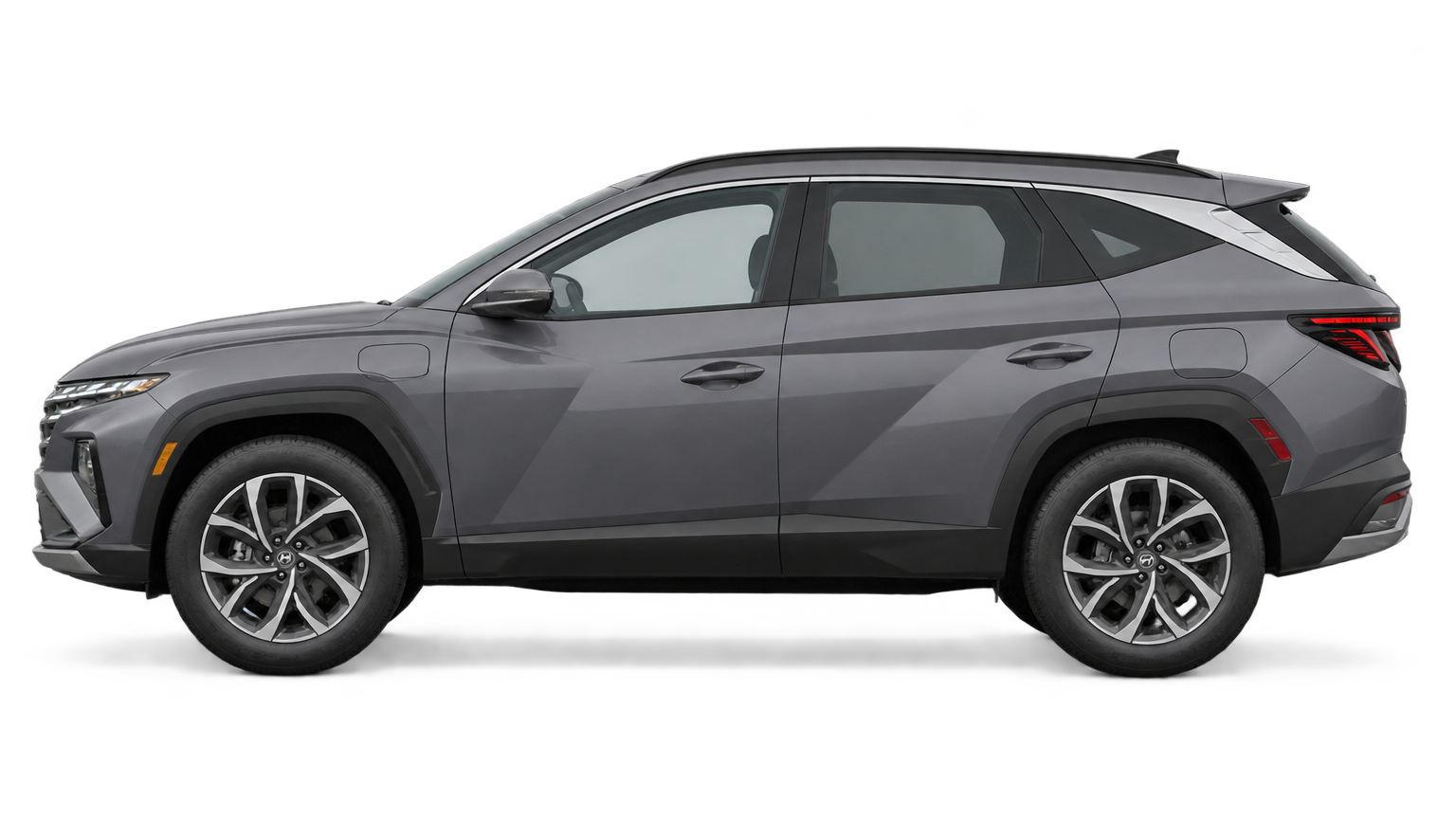
2026 Hyundai Tucson Plug-In Hybrid Ultimate Phev
$750.17 / month5.49% for 84 months · $0.00 down · vehicle price $52,221.00 · before HST and licensingChecked Check this vehicle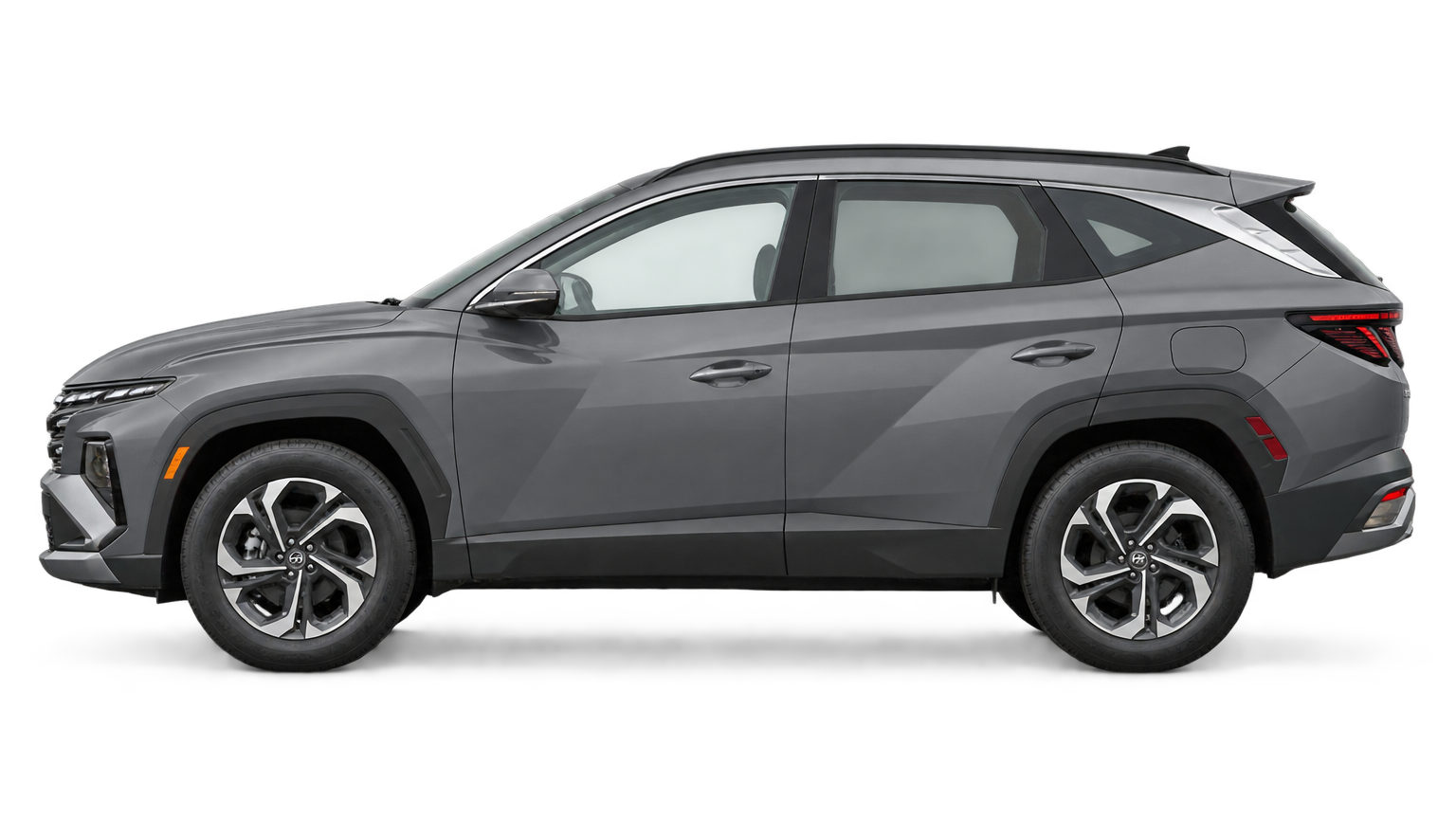 Model illustration
2026 Hyundai Tucson Hybrid Ultimate Hev
$678.09 / month3.49% for 84 months · $0.00 down · vehicle price $50,471.00 · before HST and licensingChecked Check this vehicle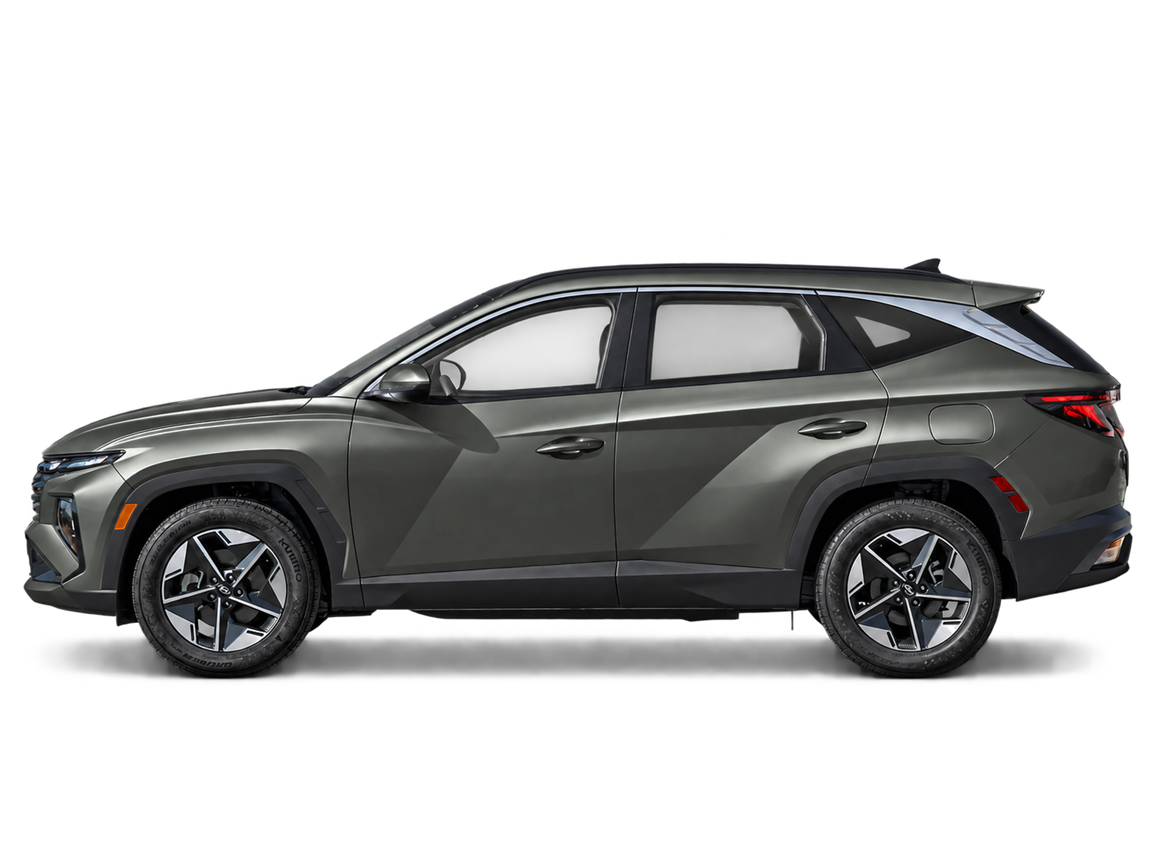 Model illustration
2026 Hyundai Tucson Preferred Hmc
$512.84 / month3.49% for 84 months · $0.00 down · vehicle price $38,171.00 · before HST and licensingChecked Check this vehicleBrowse all current Tucson listings · Compare the full payment basis
Published by Next Car Guide.
- Source review
- Review due
Sources
- 2026 Canadian CR-V hybrid AWD, combined output and trim-specific consumption (page 1); moonroof and tailgate (page 2); seating and memory (page 3); displays and connectivity (page 4). — retrieved
- 2026 Canadian Tucson AWD, gasoline and hybrid powertrains; inherited N Line Hybrid equipment and Ultimate Hybrid additions, pages 2-5. — retrieved
- 2026 Tucson Hybrid 6.7 L/100 km combined NRCan rating in model-year-specific legal notes. — retrieved
- Canadian Honda distributor, powertrain and hybrid-system warranty categories and time/distance limits. — retrieved
- Canadian Hyundai new-vehicle and hybrid-system warranty limits; shorter radio/sound and paint coverage in the warranty FAQ. — retrieved
Keep reading
2026 Hyundai Tucson vs Toyota RAV4 in Canada
Compare the 2026 Tucson Ultimate Hybrid AWD and RAV4 XLE Hybrid AWD in Canada: fuel costs, equipment, towing and warranty, plus current Tucson listings.
2026 Mazda CX-5 vs Hyundai Tucson in Canada
Compare the redesigned 2026 Canadian CX-5 with Tucson Hybrid: cabin equipment, fuel savings and warranty mileage. Mazda confirms its CX-5 hybrid launches in 2027.