
Buying guide
Hyundai Kona vs. Tucson in Canada: Do You Need the Larger SUV?
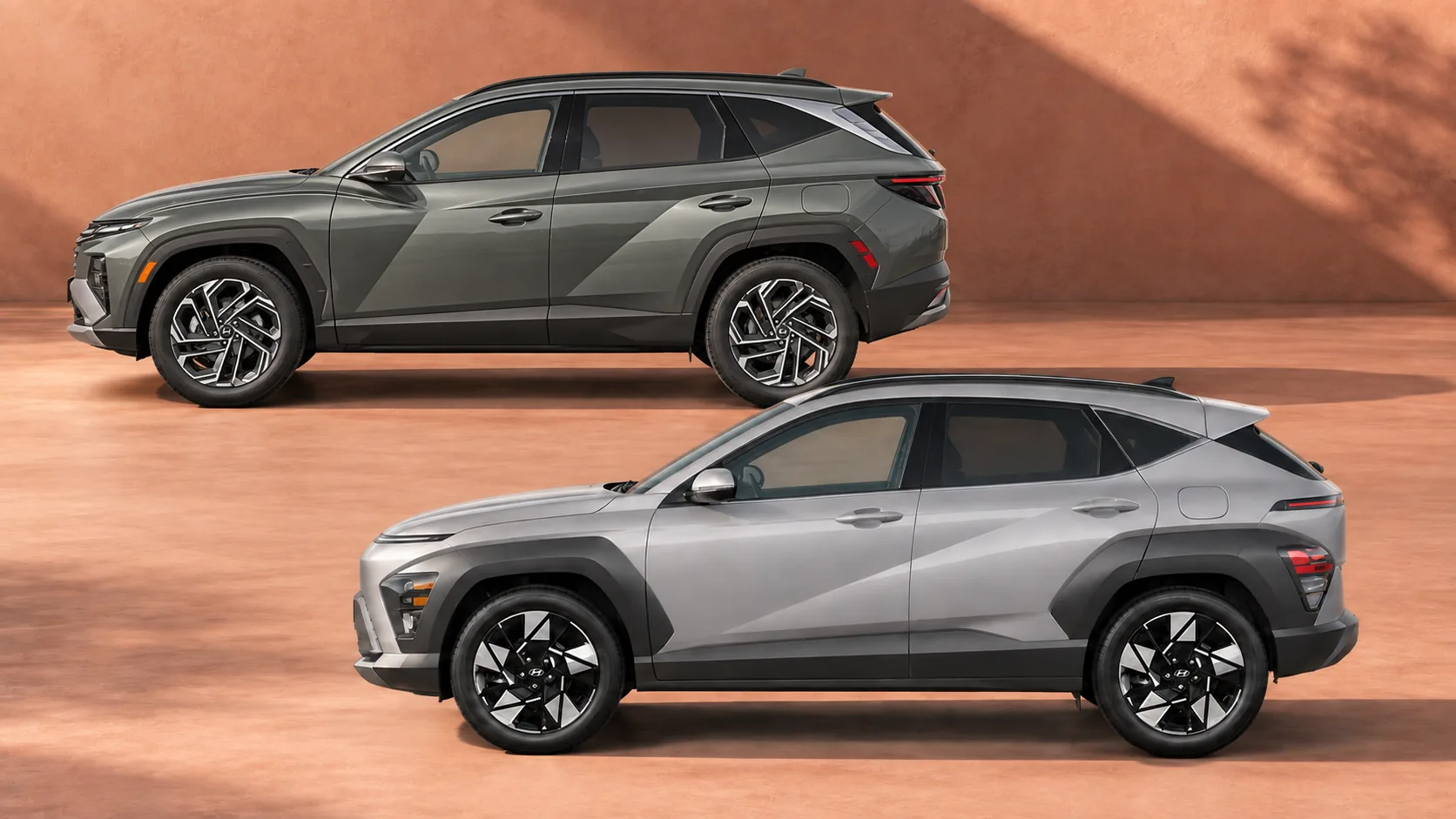
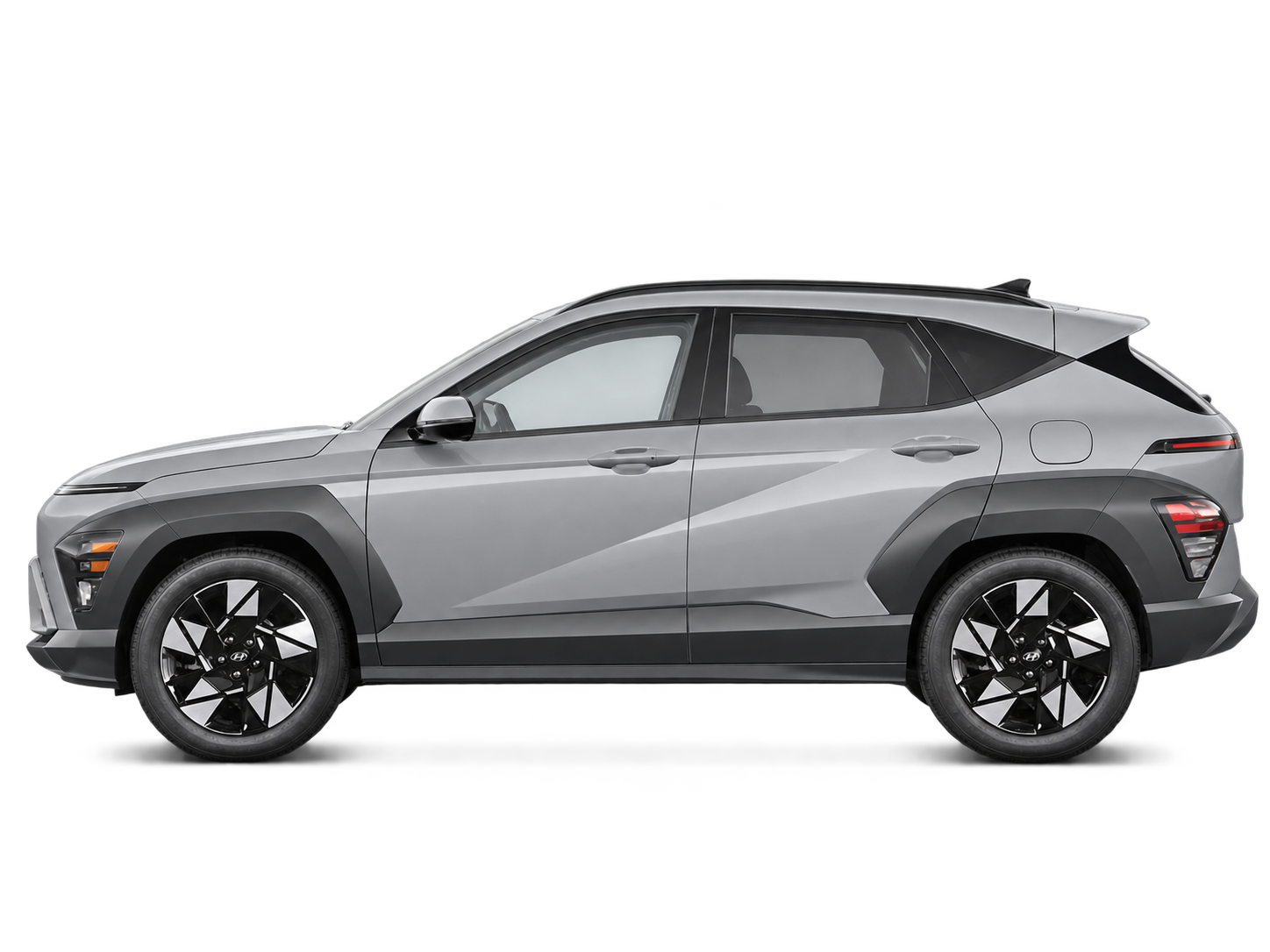
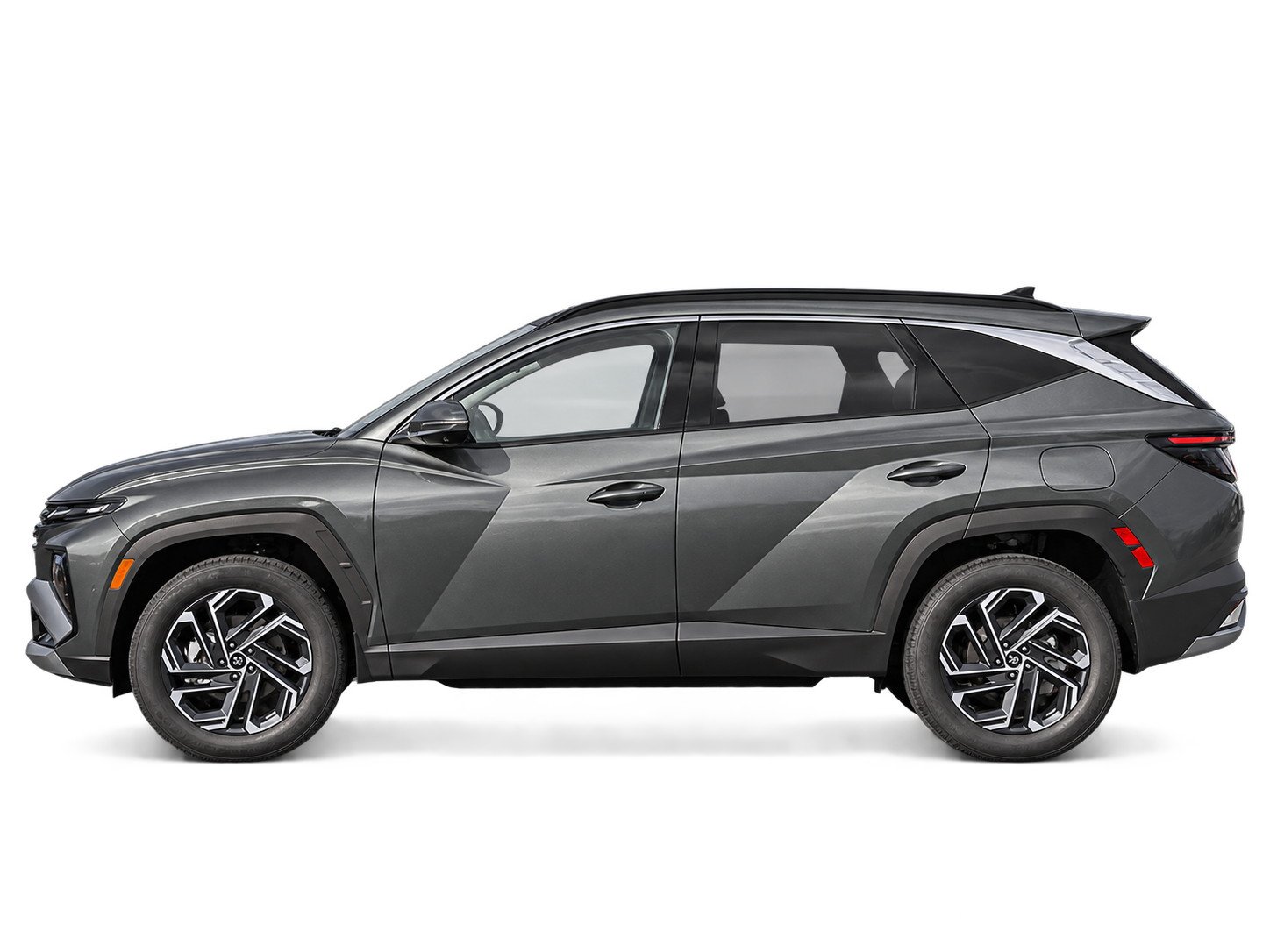
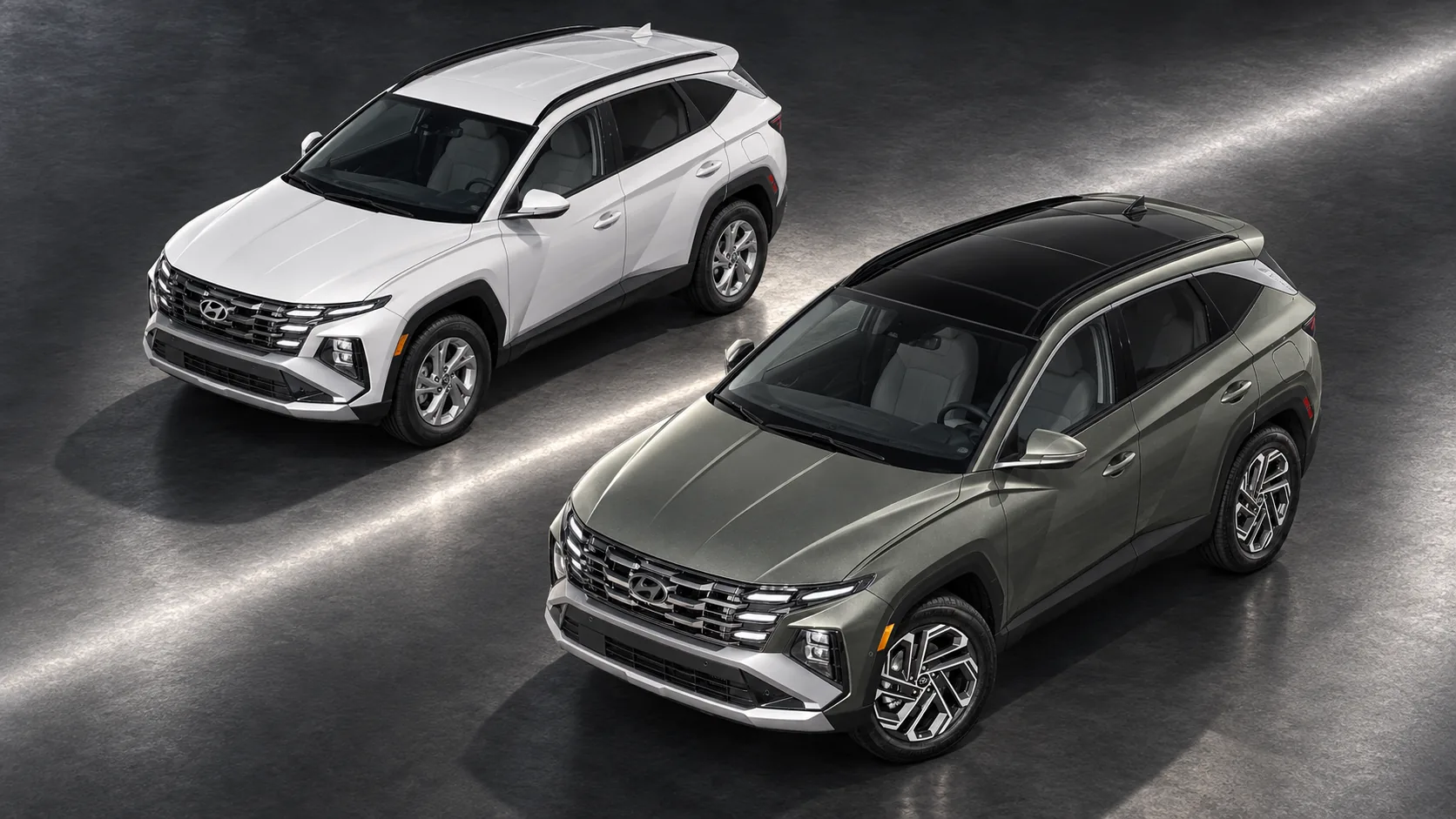
Not to scale
Choose the SUV that solves your everyday needs
Start with the Kona if your passengers and regular cargo fit comfortably. Move the Tucson higher on your list when it solves a space problem you face often enough to justify the actual price difference. A smaller SUV that does the job can leave more room in your budget. A vehicle that needs constant rearranging can become a frustrating purchase.
Both have five seats. If you regularly carry six people, look for a vehicle with a third row; moving from Kona to Tucson will not add a passenger position.
| Your situation | First step |
|---|---|
| One or two regular occupants, ordinary errands | Check whether the Kona already fits everything you carry |
| A tight garage or parking spot | Measure the Kona first, then check the Tucson in the same space |
| Adults regularly riding in the back | Sit behind your normal front-seat position in both |
| A rear-facing child seat and a tall front passenger | Test that exact seating combination in both |
| A stroller, groceries and luggage together | Load the same items with the passenger seats in use |
| Features matter as much as extra space | Compare the actual trims and their complete prices |
This guide uses 2026 Canadian models, with manufacturer material checked on September 28, 2026. Hyundai’s current Kona showroom already displays 2027; the Kona facts below come from its year-specific 2026 page and product card.
How much larger is the Tucson?
Hyundai’s Canadian showroom FAQs give these overall length ranges:
| 2026 model | Published length range | Seats |
|---|---|---|
| Kona | 4,350–4,385 mm | 5 |
| Tucson | 4,640–4,650 mm | 5 |
Sources: 2026 Kona FAQ and 2026 Tucson FAQ. The ranges cover different configurations.
That makes the Tucson roughly 26–30 cm longer using those published ranges. Think about where that extra length goes in your garage: space to walk around the bumper, open the liftgate and reach storage behind the vehicle.
For a close parking fit, measure the exact vehicles. Check the mirrors, room to open the doors and liftgate clearance as well as the bumper-to-bumper length. The illustrations above show the models’ appearance; use measurements to compare their size.
Rear-seat room: keep the front seats where you need them
Set the driver’s seat for the person who will drive most often. Then have a regular passenger sit behind it. Repeat with the front passenger’s normal seat position.
Check knee room, foot space, headroom and how easily each person gets in and out. Spend more than a moment in the seat. A position that works for a short ride may feel different on your usual highway trip.
For a family using a rear-facing child seat, bring the exact restraint and follow both the restraint and vehicle manuals. Keep the front adult’s seat in a usable position while checking the fit. Transport Canada recommends checking that the restraint fits the child and the vehicle.
If you need three child restraints across, check that specific combination and get qualified installation help where needed. Five seating positions alone do not establish that three particular child seats work together.
Cargo space with your passengers still aboard
Start with the rear seats in the positions your passengers use. Maximum cargo volume with the seats folded will not answer whether your family and luggage fit at the same time.
Bring your regular load, or write down the dimensions of the largest items:
| What you carry | What to try |
|---|---|
| Folded stroller | Load it with the wheels attached, then add grocery bags |
| Weekend luggage | Pack the number of bags you normally take with all required seats available |
| Dog carrier | Check the secured carrier’s fit and the opening needed to load it |
| Mobility equipment | Check the device, opening, loading height and room for other cargo |
| Sports gear | Try the longest regular item and note any seat you have to fold |
Close the liftgate, check the view through the rear window and note any awkward lifting or repeated dismantling. Write down what the Tucson changes. “The stroller and groceries fit without removing the stroller wheels” is a concrete reason to consider it. “It looks bigger” leaves the useful question unanswered.
If both work easily, cargo space may not be the reason to spend more.
The dealership visit checklist covers the quotes, questions and trade details to bring along with your cargo.
Compare the powertrain as well as the badge
The same trim name can mean something different on these two models:
| 2026 Canadian configuration | Powertrain | Transmission |
|---|---|---|
| Kona Essential / Preferred, including Trend | 2.0-litre gasoline | Intelligent Variable Transmission (IVT) |
| Kona N Line, including Ultimate Package | 1.6-litre turbo gasoline | Eight-speed automatic |
| Tucson Preferred, including Trend | 2.5-litre gasoline | Eight-speed automatic |
| Tucson N Line Hybrid / Ultimate Hybrid | 1.6-litre turbo hybrid | Six-speed automatic |
Sources: 2026 Kona product card, pages 2–6 and 2026 Tucson product card, pages 2–5.
Kona N Line is not a hybrid in this Canadian 2026 comparison. Tucson N Line is. Write the engine, drivetrain and transmission beside each trim on your shortlist. Match AWD with AWD when that is a requirement.
For a running-cost comparison, use the exact configurations’ Canadian fuel ratings and your annual kilometres. Comparing a Kona turbo with a Tucson hybrid changes both size and powertrain. The hybrid-versus-gas guide shows how to turn fuel consumption into annual dollars and a break-even period.
Which features would you gain or give up?
Use a short must-have list to find the least expensive suitable configuration in each model. The 2026 product cards identify these useful trim steps:
| Feature | Kona | Tucson |
|---|---|---|
| Heated steering wheel | Preferred and above | Preferred and above |
| Adaptive cruise with stop/go | Preferred and above | Preferred and above |
| Power liftgate | Preferred AWD with Trend and above | Preferred with Trend and above |
| Ventilated front seats | N Line with Ultimate Package | Ultimate Hybrid |
Sources: Kona’s Canadian equipment ladder and Tucson’s Canadian equipment ladder.
If a higher-trim Kona and a lower-trim Tucson fall within your quoted budget, put the equipment you would lose beside the space you would gain. Try the controls, seat adjustment, visibility and parking aids on those actual trims. A feature on the showroom demonstrator may belong to a different package from the vehicle being quoted.
What does the upgrade actually cost?
Get two itemized quotes for the configurations you would buy. Keep the payment method, tax treatment, charges, chosen extras and quote dates consistent. Compare the purchase totals before choosing a payment schedule.
Use the Ontario taxes and fees guide to check what goes into each total. For lease quotes, use the lease-versus-finance comparison to include the end-of-term position.
An Ontario example
Suppose the Tucson you want costs $6,000 more before tax than the Kona you want. This is a hypothetical price gap, with an assumed financing rate—not a current Hyundai offer.
Assuming two equally taxable Ontario dealer purchases and otherwise equal charges, Ontario’s 13% HST takes the difference to $6,780.
If you borrow that entire extra amount at an assumed 7% annual rate over 60 months, with monthly payments and monthly interest at 7% ÷ 12:
| Extra cost | Worked example |
|---|---|
| Purchase-price difference before tax | $6,000 |
| HST on that difference | $780 |
| Additional amount borrowed | $6,780 |
| Additional monthly payment | About $134.25 |
| Additional total repaid over five years | About $8,055 |
| Interest included in that repayment total | About $1,275 |
The monthly estimate uses the ordinary amortizing-loan formula: amount borrowed × monthly rate ÷ [1 − (1 + monthly rate) raised to minus the number of payments]. Calculations retain precision before display rounding.
At the same rate and term, this shows what financing the price gap adds. If the vehicles qualify for different rates or you choose different down payments, calculate both full loans and compare them. Do not add HST again to quotes that already include it.
The $134.25 is only the illustrated loan-payment difference. Add the difference in insurance, fuel, tyres and maintenance to understand the effect on your monthly budget. For ownership cost, compare the same number of years and try a range of future resale values.
Use the payment calculator for the actual quotes, or the affordability calculator to check how much room your household budget leaves for the whole vehicle cost.
The car affordability guide works through that monthly budget line by line. If neither new model fits it, compare a used alternative with its insurance and upkeep included.
Put the benefit beside the cost
Write one sentence that explains what the upgrade buys you: “An adult can sit comfortably in front of our rear-facing seat,” or “Our regular luggage fits while all five seats stay available.” Then put the price difference beside it.
If you cannot name a useful difference after trying both vehicles, keep the Kona on the shortlist. If the Kona fails a frequent requirement and the Tucson resolves it, you have a clear benefit to weigh against the extra spending.
Make a two-vehicle worksheet
| Record for each quote | Why it matters |
|---|---|
| Year, trim, package, engine and drivetrain | Identifies the exact configuration |
| Paint, selected extras, charges, tax and licensing | Makes the purchase totals comparable |
| Quote date, expiry and confirmed delivery timing | Shows which choices are available for your decision |
| Down payment, trade equity, APR and loan term | Explains how each payment was calculated |
| Annual kilometres and planned ownership period | Keeps running-cost assumptions consistent |
| Passenger, cargo and parking results | Records whether the vehicle solves your needs |
Keep the fit results next to the numbers. Stretching a loan term may reduce a payment, but it does not make the vehicle’s purchase price lower.
Common questions
Is the Tucson always the better family SUV?
Choose based on the people and equipment you carry. If the Kona accommodates them comfortably, extra size may add little to your daily use. If the Tucson resolves a seating or loading problem, compare that benefit with its actual upgrade cost.
Should I buy a higher-trim Kona or a basic Tucson?
Try the two configurations and list the features you would gain or give up. Choose the space you need first, then decide which convenience features earn a place in your budget.
Which is cheaper to insure or maintain?
Get insurance quotes for the exact vehicles and compare their service schedules, tyre sizes and local servicing prices. The model’s size or trim name does not give you a personal insurance premium or maintenance bill.
What if I need more than five seats?
Start a shortlist with the seating capacity you need. Both vehicles in this comparison have five seats, so the Tucson upgrade does not solve a six- or seven-passenger requirement.
Try the fit before choosing the upgrade
Take your usual passengers and the items that are hardest to fit. Check the exact trims, preserve your normal driving position and repeat the same load in both vehicles. Use the car-buying checklist below to organize your priorities and record the one problem you want the next vehicle to solve.
If the Tucson stays on your shortlist, compare it with the Toyota RAV4 for a closer look at hybrid fuel costs, equipment and towing.
Keep reading
How Much Car Can I Afford in Canada? A Realistic Budget Guide
Work back from what you can spend each month, including insurance, fuel and upkeep. Then turn the payment you have left into a purchase price, with tax and your down payment accounted for.
Hybrid vs. Gas in Canada: Is a Hybrid Worth the Extra Cost?
A hybrid earns back its extra cost when fuel savings catch up with the price premium. Compare your kilometres, purchase prices and years of ownership to see when that happens.