
Buying guide
Hyundai IONIQ 5 in Canada: Range, Charging and Buying Checklist
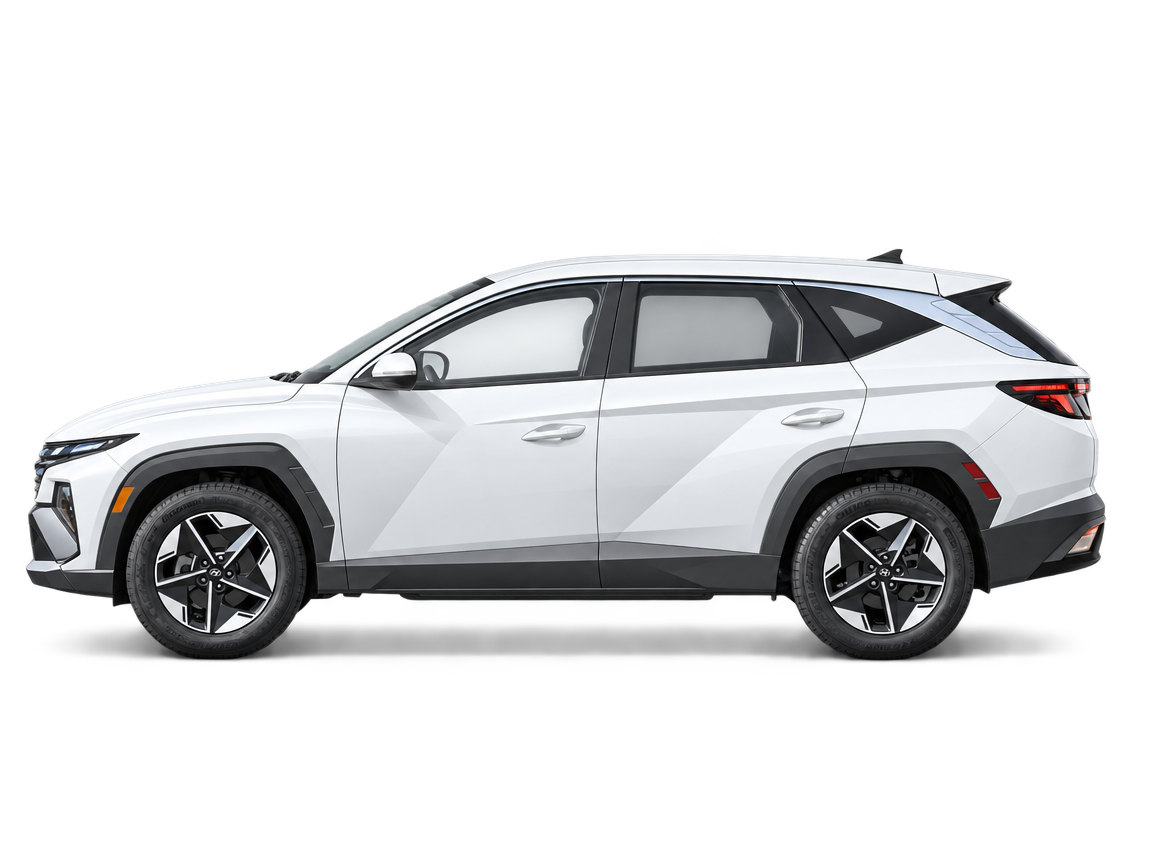
Not to scale
Decide where the car will charge
Start the IONIQ 5 decision with a parking and charging plan. Write down where the vehicle stays overnight, how often that space is available, and where you would charge if your first choice were unavailable. For shared parking, get the property arrangements and costs before committing to the car.
An electric SUV can fit your passenger and luggage needs while still being inconvenient if charging requires a special trip every few days. Test that routine against your working week rather than deciding from a headline range alone.
Match the range figure to the configuration
Hyundai Canada's 2026 IONIQ 5 page identifies an 84.0-kWh battery and up to 504 km for Preferred Long Range RWD in its range footnote, based on the 2026 Canadian ratings. Use the stated configuration: this is not a range promise for another drivetrain, wheel package or a cold-weather trip.
The page's headline text is not fully consistent, so the named configuration and footnote are the basis used here. Obtain the exact candidate's Canadian rating alongside its wheel size, drivetrain and model year. The current showroom presents 2027; compare that year's equipment separately. Keep IONIQ 5 N on its own performance-car shortlist.
Test two journeys before choosing
| Journey | Record before buying |
|---|---|
| A normal working day | Round-trip distance, extra errands, parking time and reliable charging access. |
| Your regular long trip | Planned charging stops, a backup station, arrival reserve and time with passengers aboard. |
| A winter variation | A larger reserve and an alternative stop if consumption or charging time is worse than expected. |
The 2026 manufacturer page identifies a NACS port and CCS adapter. Inspect the supplied equipment on the actual car and check compatibility with the stations in your plan. A familiar connector name does not establish a particular station's availability, tariff or charging speed.
Ask for a demonstration of starting and stopping a charge, scheduling charging and finding a compatible station. Try the apps you would need before relying on them away from home.
Compare the complete budget
Build the quote around the vehicle price, applicable taxes and charges, charging equipment and installation if needed, insurance, tyres and your expected energy spend. Separate one-time installation costs from recurring charging bills. Use actual home and public tariffs and the share of charging you expect at each; do not assume every kilometre uses the cheapest rate.
For a useful two-car comparison, hold finance term and down payment constant in the payment calculator. The lease-versus-finance guide helps compare costs at the same end date.
Choose the body style as carefully as the battery
Try rear-seat access, loading height and your largest regular item in the car itself. Compare the IONIQ 6 sedan if that body style works for you. If you need a third row, use the separate IONIQ 9 guide.
The IONIQ 5 hub links this research to matching dealer listings when present. An empty listing section means this site's current sample has no match; it does not mean the model is unavailable throughout Ontario.
Current matching listings
These listings are a selected inventory sample. Each unit has its own verification time; an enquiry asks us to check that vehicle.
No matching listings are currently shown. Ask about your preferred model and timing.
Browse all current listings · Compare the full payment basis
Published by Next Car Guide. This guide uses published sources and calculations; it does not report a road test.
- Source review
- Review due