
Buying guide
Buying a Car in Ontario: From Shortlist to Signing
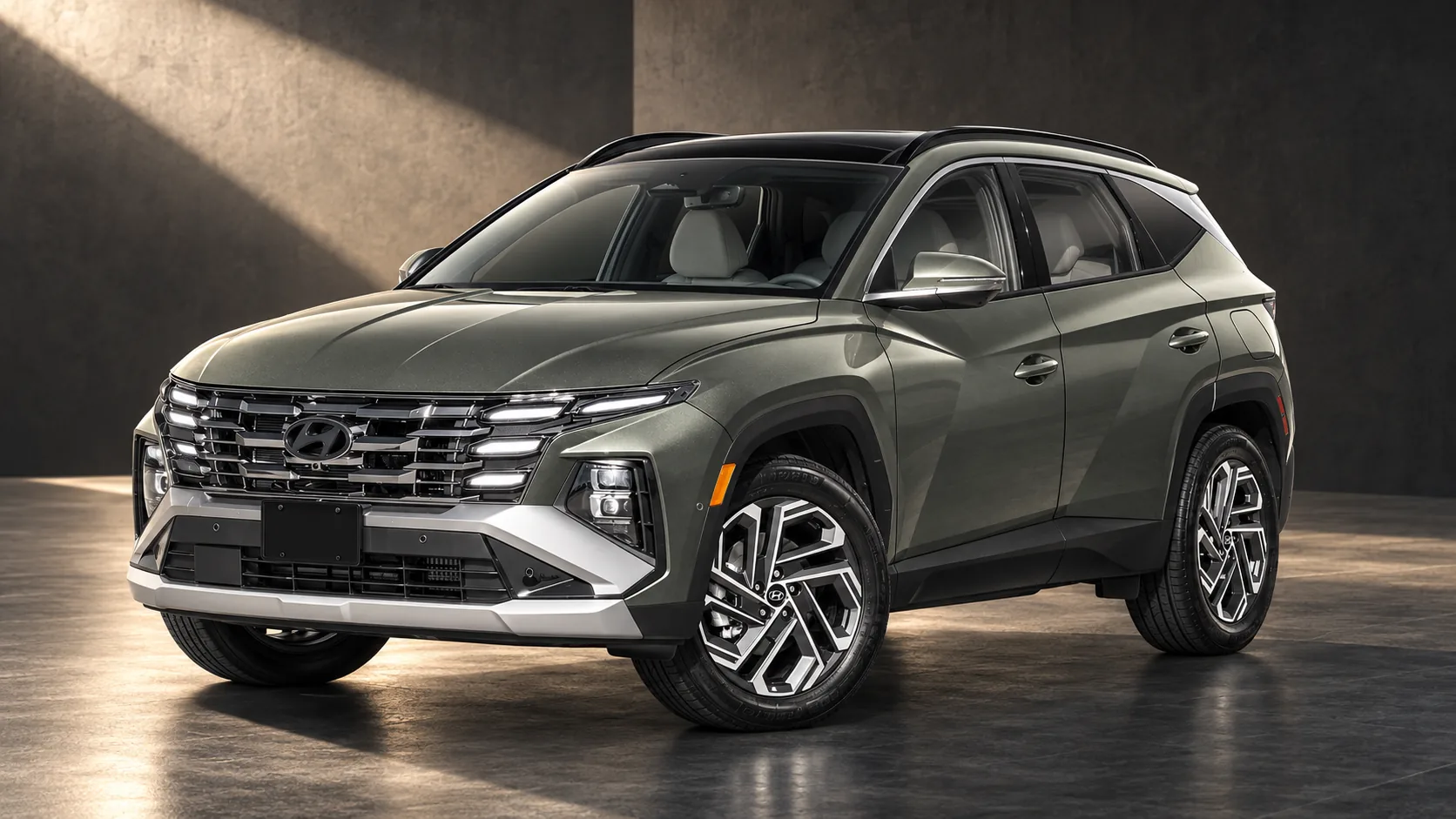
The QEW merge tells you more about a car than ten laps around the dealer’s block. Before you get there, make sure you’re driving a car you’d actually buy at a price you can afford.
Shop for your Tuesday
Picture the worst part of a normal week. If you’re loading a stroller in a tight Oakville garage, bring the stroller and check how far the hatch opens. If you spend an hour on the 403, put highway seat comfort ahead of a bigger touchscreen.
Write down three jobs the car has to do. Set an all-in monthly budget after insurance, fuel, parking and winter tires. Start with current inventory and pick two or three actual cars that fit both lists.
If your shortlist is still empty, choose your first two test drives by seating, cargo access and where you park.
Buy the smallest car that does the job comfortably. A Kia K4 deserves a drive if your usual load is one person and a laptop bag. If you need the height and hatch of a crossover, put the Seltos and Sportage side by side before paying for the larger one.
Make the quote match the ad
Save the ad. Request the written purchase price for that exact trim and VIN, with HST, licensing, any extras you chose and the final amount due. Compare cash and finance prices separately if the ad gives both.
OMVIC’s all-in pricing rule puts mandatory charges such as freight, administration and required pre-installed products in a registered dealer’s advertised price. HST and actual licensing can be extra when the ad says so clearly.
If an unexplained mandatory charge raises the subtotal, ask the dealer to correct it or shop elsewhere. See how the tax and fee lines should add up.
Shopping with a trade? Get the replacement price, trade allowance and old loan payoff on separate lines. A generous trade figure means little if the price of the replacement climbs with it.
Put your quote to the test
Enter the selling price, down payment and trade details to estimate your payment and total interest.
Take the drive you’ll actually do
Ask for a route with stop-and-go traffic, a highway merge and a chance to park. Set the seat and mirrors before you leave, then check whether you can see over your shoulder and read the controls at a glance. If the car makes your back ache by the time you get back, cross it off.
For a used car, ask to see it cold. Get the history and service records, look for uneven tire wear, and arrange an independent inspection before committing. Bring the printable Ontario used-car checklist so you can compare the two cars later.
Buying privately? Match the seller and VIN to the permit, review the Used Vehicle Information Package for liens, and get the signed bill of sale and transfer paperwork.
Ontario generally collects 13% retail sales tax at registration on the higher of purchase price or wholesale value. Include that amount before deciding a private listing beats the dealer’s quote.
Sign for what you’re getting
Make the contract name the exact car, the price, the delivery date or terms, and any repairs, accessories or conditions the dealer promised. On a loan, match the APR, term, payment frequency and total borrowing cost to your written quote. Put any financing or inspection condition in the agreement before you sign.
Ontario gives you no general cooling-off period after you sign a vehicle purchase or lease contract. Take the paperwork home if you need time. At pickup, check the car and the promised work against the agreement before driving away.
Found a contender in our inventory? Use its listing to ask about that car, or send Next Car Guide your shortlist and budget if you’re still choosing.
Published by Next Car Guide.
Keep reading
Ontario Car Sales Tax, Dealer Fees and the $22 OMVIC Fee
Ontario dealers include any OMVIC fee they pass on in the advertised price. Dealer purchases and private sales follow different tax rules.
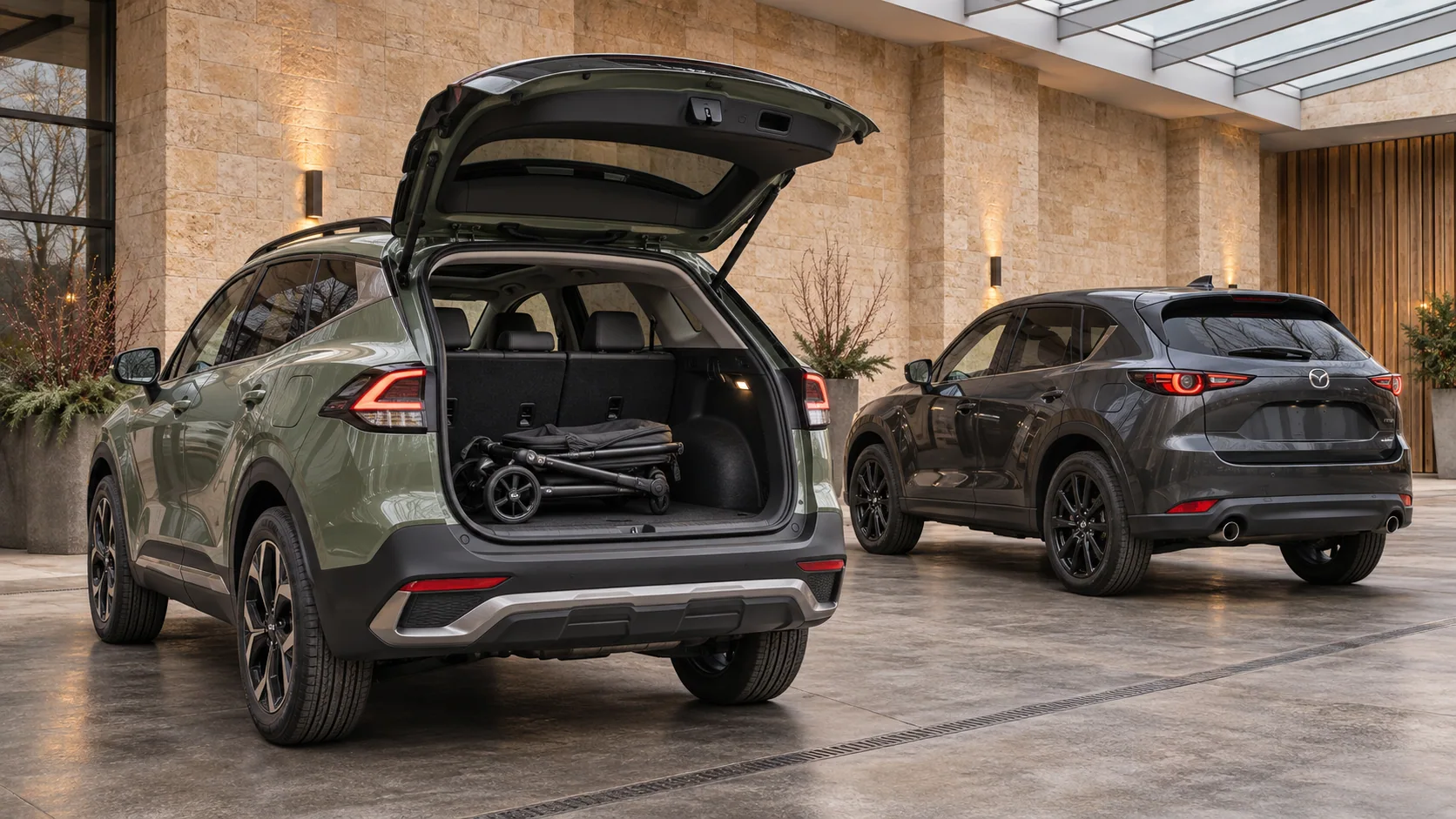
Used AWD SUVs Near Hamilton: Kia Sportage vs. Mazda CX-5
Drive the 2023 Sportage EX first if you need room behind the rear seats. In our Hamilton-area pair it cost $102 less than the CX-5 Kuro and had 7,680 fewer kilometres.