
Buying guide
Which Electric SUV Is the Best Value for Your Budget?
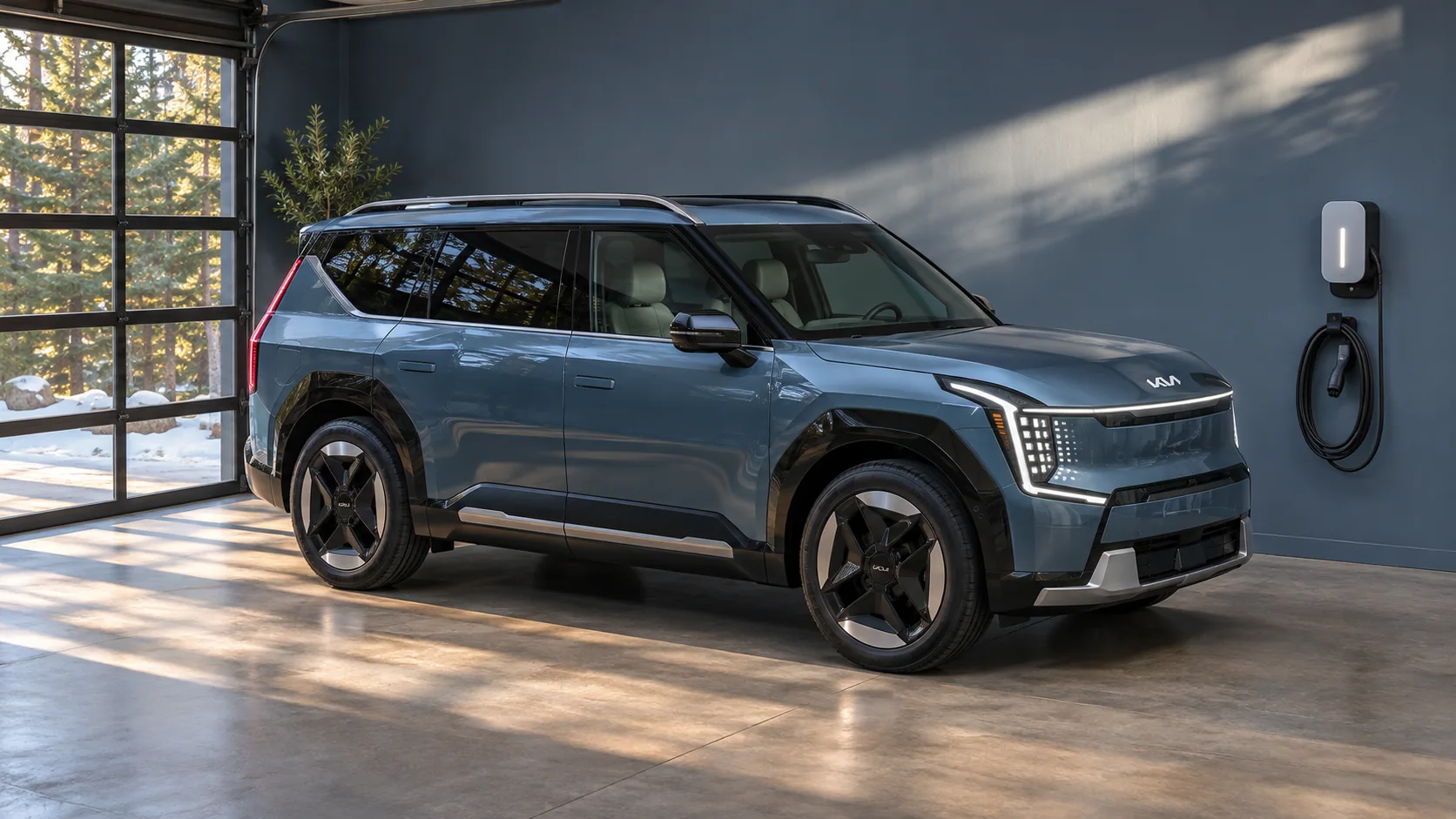
Count the seats you fill most weekends, then measure the longest trip you make between dependable chargers. Those two numbers tell you what you’d get for spending more on an electric SUV. A driver who needs five seats and plugs in every night can make a very different choice from one who carries six people to practice.
When is a larger electric SUV worth the price?
On November 22, 2026, two new AWD electric SUVs were listed in stock in Ontario at these advertised prices before HST:
| Electric SUV | Seats on the checked listing | Advertised price |
|---|---|---|
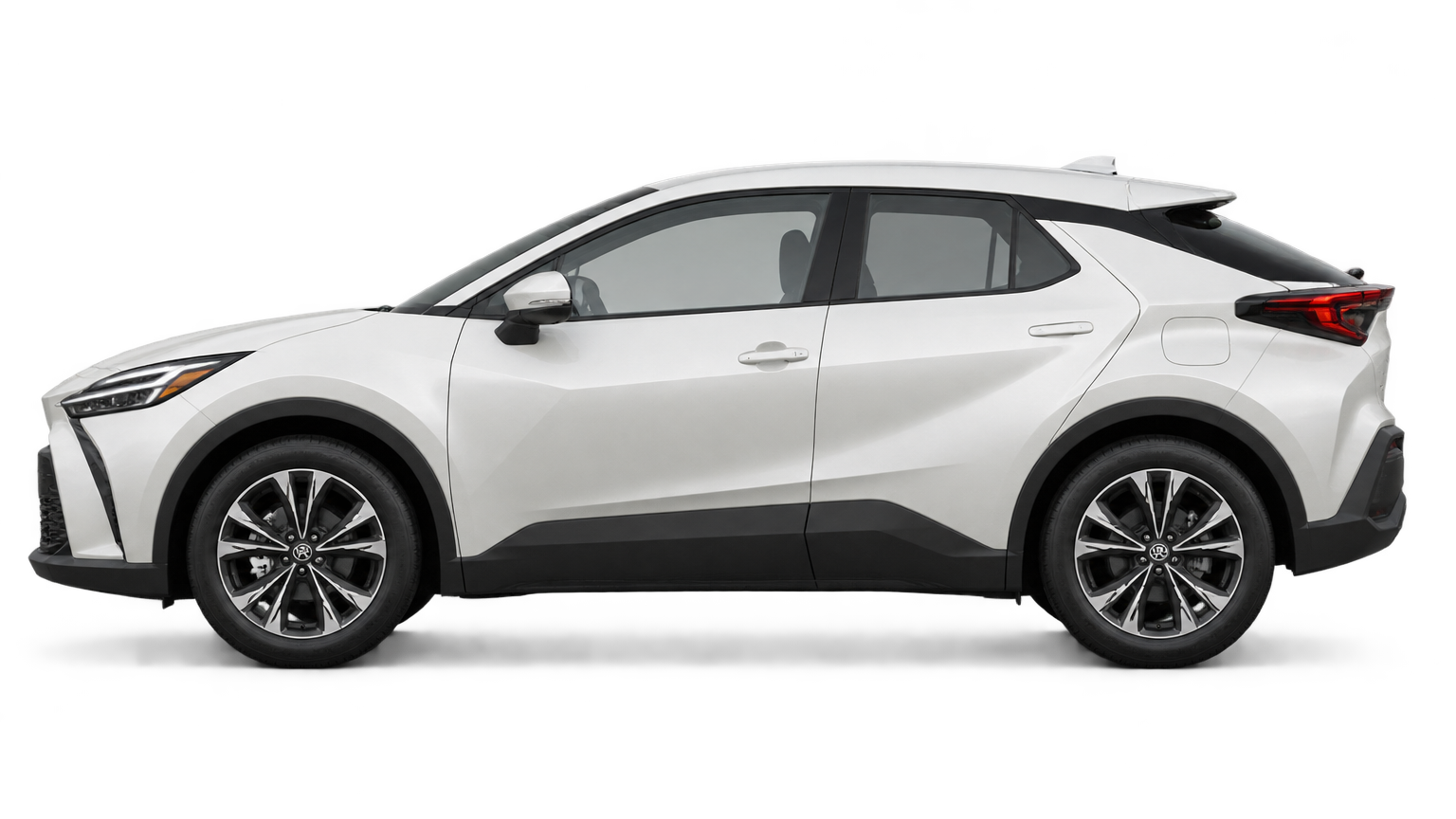
| 2027 Toyota C-HR XSE AWD | 5 | $55,419 |
| 2026 Kia EV9 Land AWD | 7 | $67,982 |
That’s $12,563 between the listings. If you regularly take six people in one car, drive the three-row EV9 first. Leave the third row up and see if everyone’s bags still fit. If you usually carry four, the Toyota gives you a less expensive AWD starting point. Take the people who ride with you and the bags they normally bring. Ask for the written price with each incentive shown once and its eligibility conditions spelled out. Browse electric SUVs currently listed in stock.
Is a bigger battery worth paying for?
Put two trims of the same SUV side by side. Kia Canada’s August 2026 launch prices for the 2027 EV3 were $39,744 for Light FWD and $43,744 for Wind FWD, before taxes and incentives. Kia estimated up to 356 km and 517 km respectively in ideal conditions. That's a $4,000 step for the longer-range trim and its equipment. These are manufacturer figures. Current local quotes may differ.
Think of the trip where that extra range would matter. If you charge at home, drive 45 km a day and rarely go farther, start with the smaller battery. If the longer range lets you skip a difficult charging stop twice a week, price the long-range version. For a winter route, use expected range in your conditions and keep a reserve for the return trip. The EV3 and EV5 comparison walks through that calculation.
What will it cost to charge where you live?
Suppose a vehicle draws 20 kWh from the charger per 100 km, including charging losses, and you drive 15,000 km a year. That’s 3,000 kWh. At illustrative prices of $0.15/kWh at home and $0.55/kWh in public, here’s what the same car would cost to charge:
| Your charging routine | Annual energy cost |
|---|---|
| 90% at home, 10% public | $570 |
| Entirely at the public rate | $1,650 |
The difference is $1,080 a year before parking, session fees or installing a home charger. Substitute the incremental rate from your electricity bill and the actual price at the public station you would use. If you rent, confirm access to the outlet or charging stall before counting on the home figure.
Start with electric vehicle deals, keep two that pass the seat and range tests, then request an insurance quote on each. If your preferred model isn’t listed, send your budget, seat count and regular route so those requirements guide the search.
Current matching listings
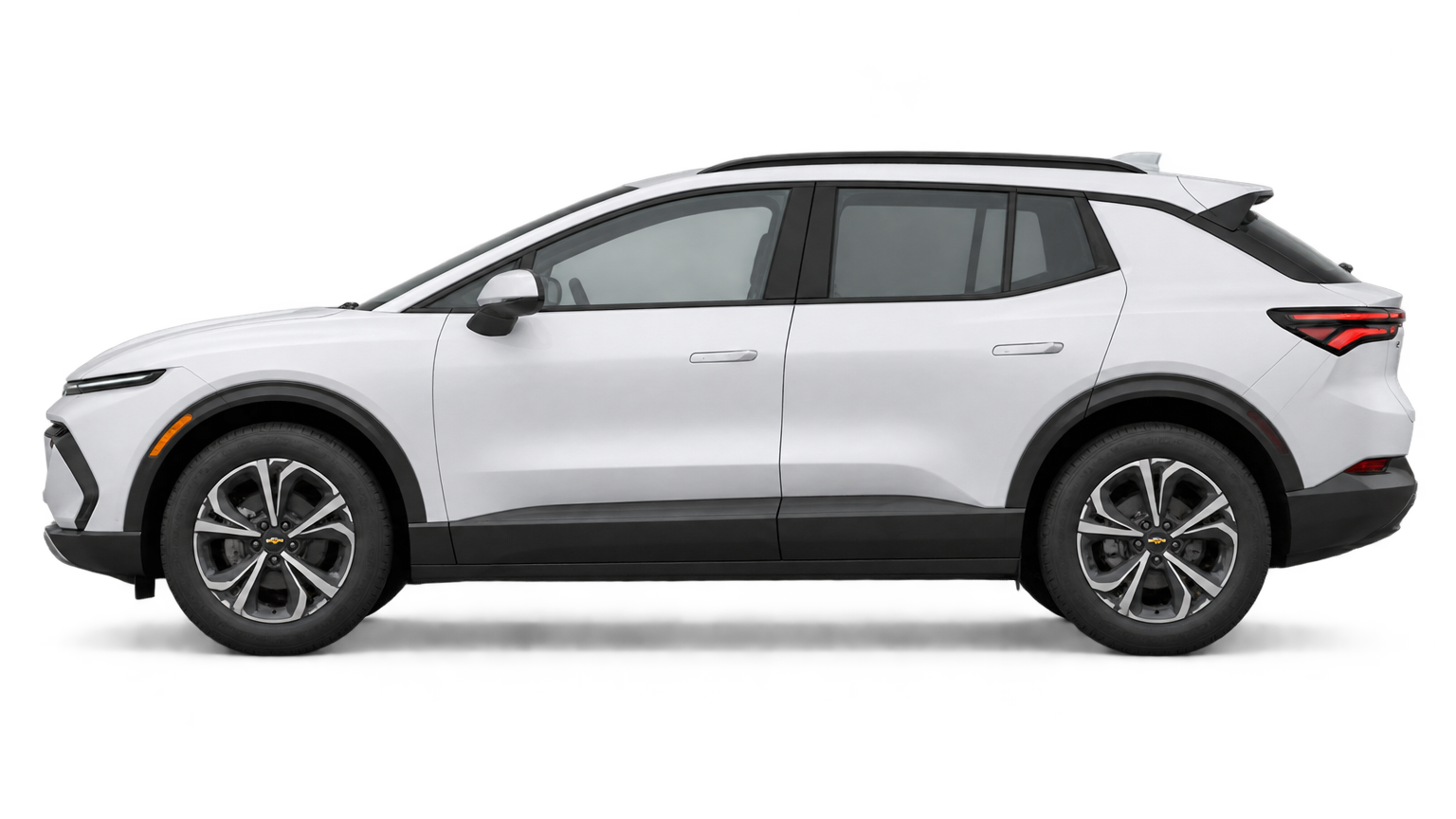
Chevrolet Equinox Ev
4Dr LT
 Model illustration
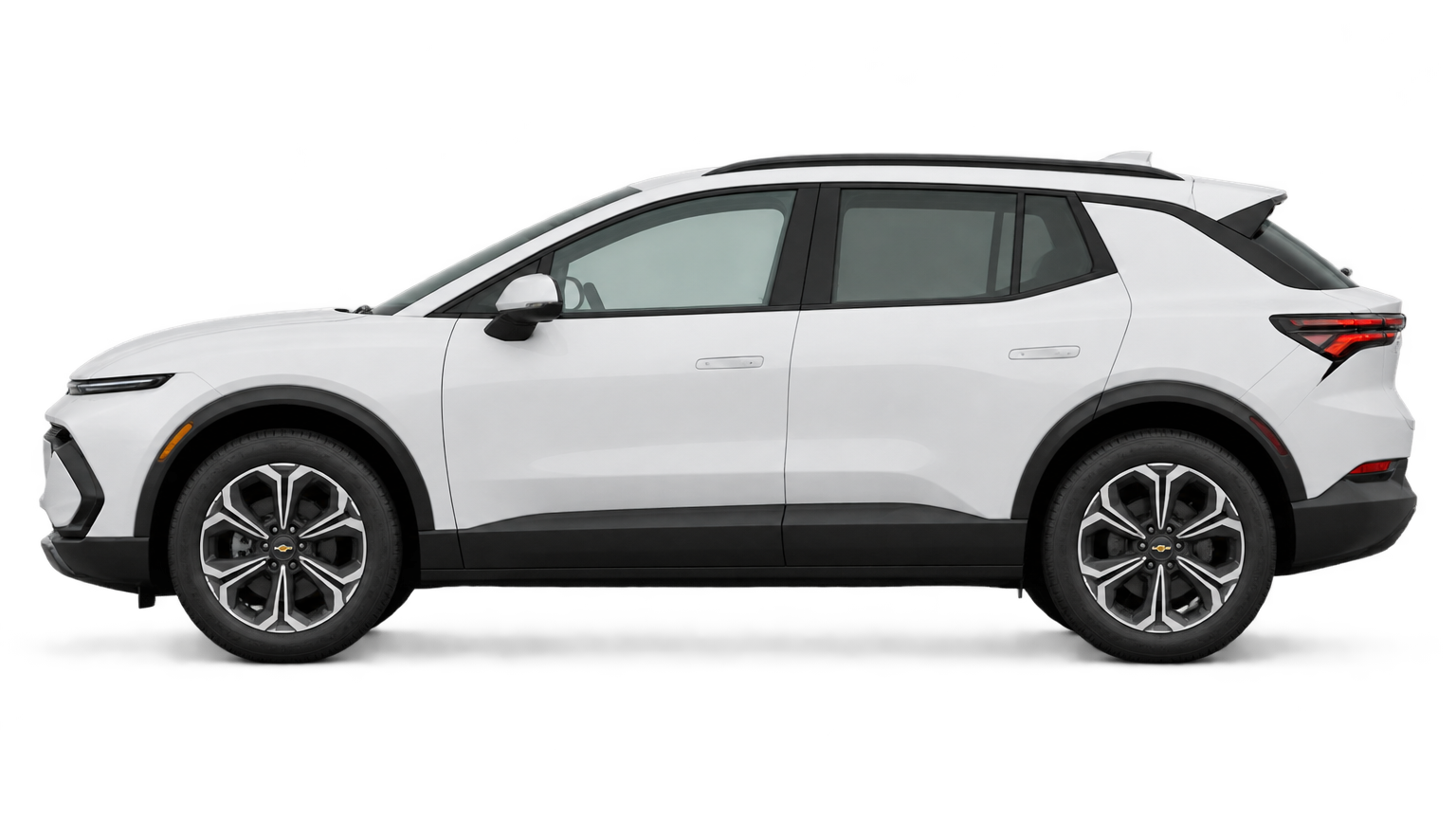
Chevrolet Equinox Ev
4Dr LT
 Model illustration
Toyota C-Hr
XSE AWD
 Model illustration
Compare in-stock electric SUVs · Compare the full payment basis
Published by Next Car Guide.
- Source review
- Review due
Keep reading

Do You Need AWD for an Ontario Winter? Start With Your Tires
Four winter tires are the first purchase for a snowy commute. All-wheel drive earns its extra cost when getting moving uphill or pulling out of an unplowed lane is a regular problem.
How to Compare Car Lease Deals in Ontario
A $399 lease with $3,600 down costs $499 a month over three years in our example. A $469 zero-down quote beats it when both cover the same driving.